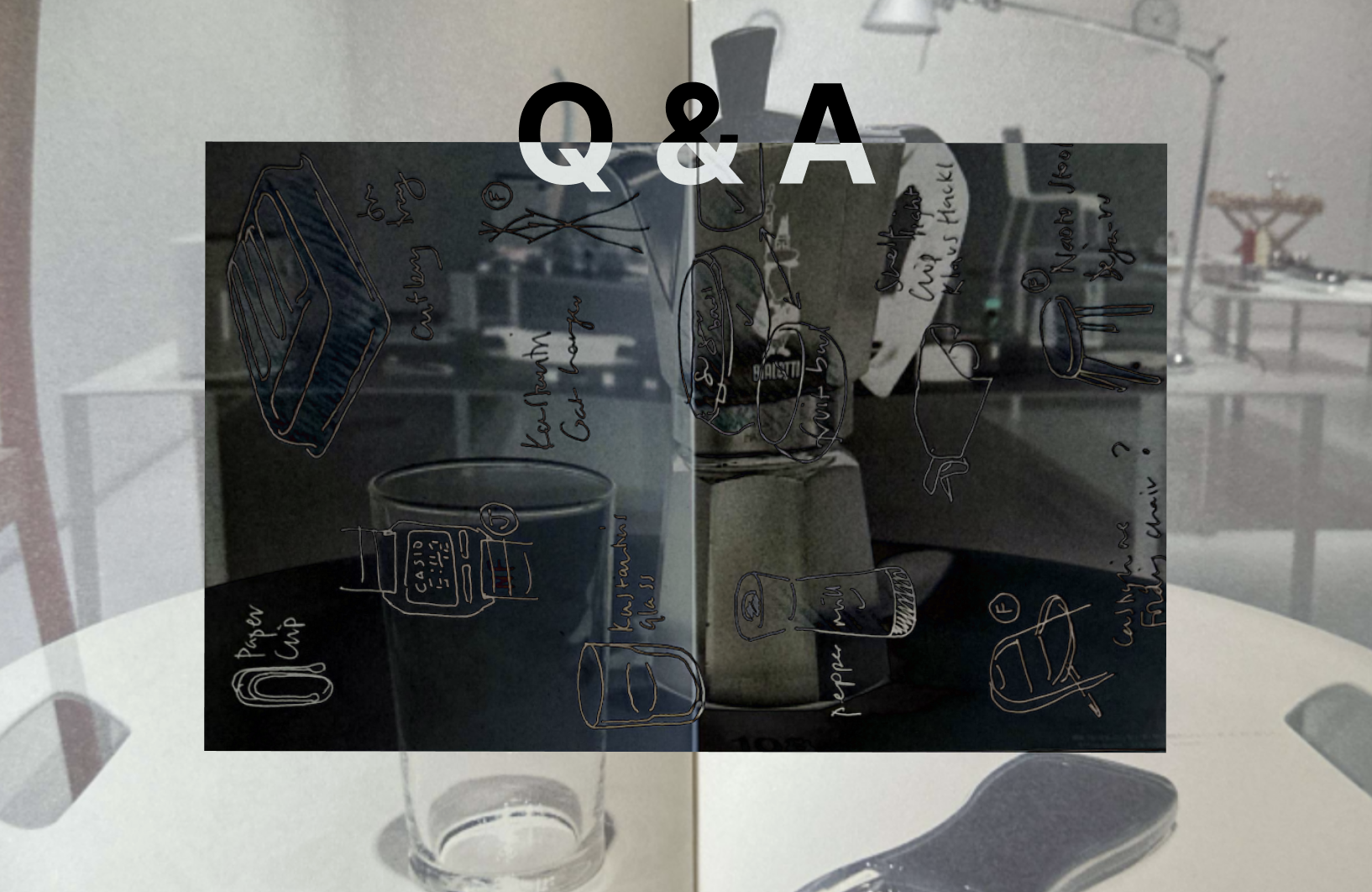
Naoto Fukosawa
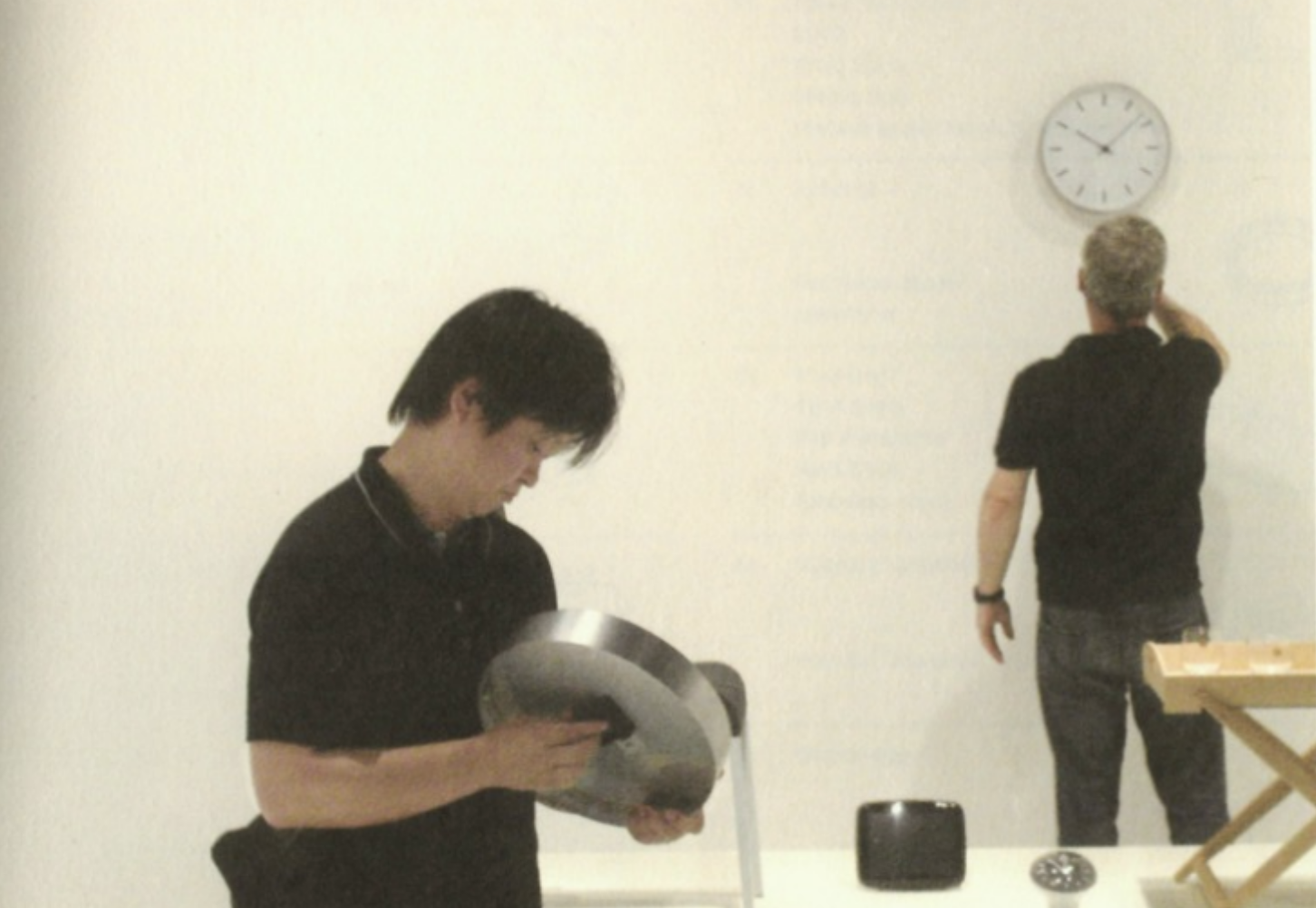
Born in Yamanashi, Japan, in 1956. Graduated from Tama Art University in 1980. Joined Seiko Epson, engaged in the advanced design of watches and other micro-electronics. In 1989, joined the San Francisco product design firm ID TWO, the predecessor to IDEO. In 1996, returned to Japan to start and head up IDEO's Tokyo office. In 2003, established Naoto Fukasawa Design. Since 201, a design advisory board member for MUJI. In 2003, launched 40 (PLUS MINUS ZERO brand). Designs for B&B ITALIA, Driade, Magis, Artemide, Danese, Boffi and other European and Japanese clients.
Jasper Morison
Born in London in 1959. Studied at Kingston Polytechnic.
London, Hochschule der Künste, Berlin, and Royal College of Art, London. Established Office for Design in London in 1986. Designs for a number of leading manufacturers in Europe and Asia, including Alessi, Cappelini, Flos, Magis, Muji, Samsung & Vitra. Represented by Galerie Kreo in Paris. Jasper Morrison Ltd. has offices in London, Paris, and Tokyo.
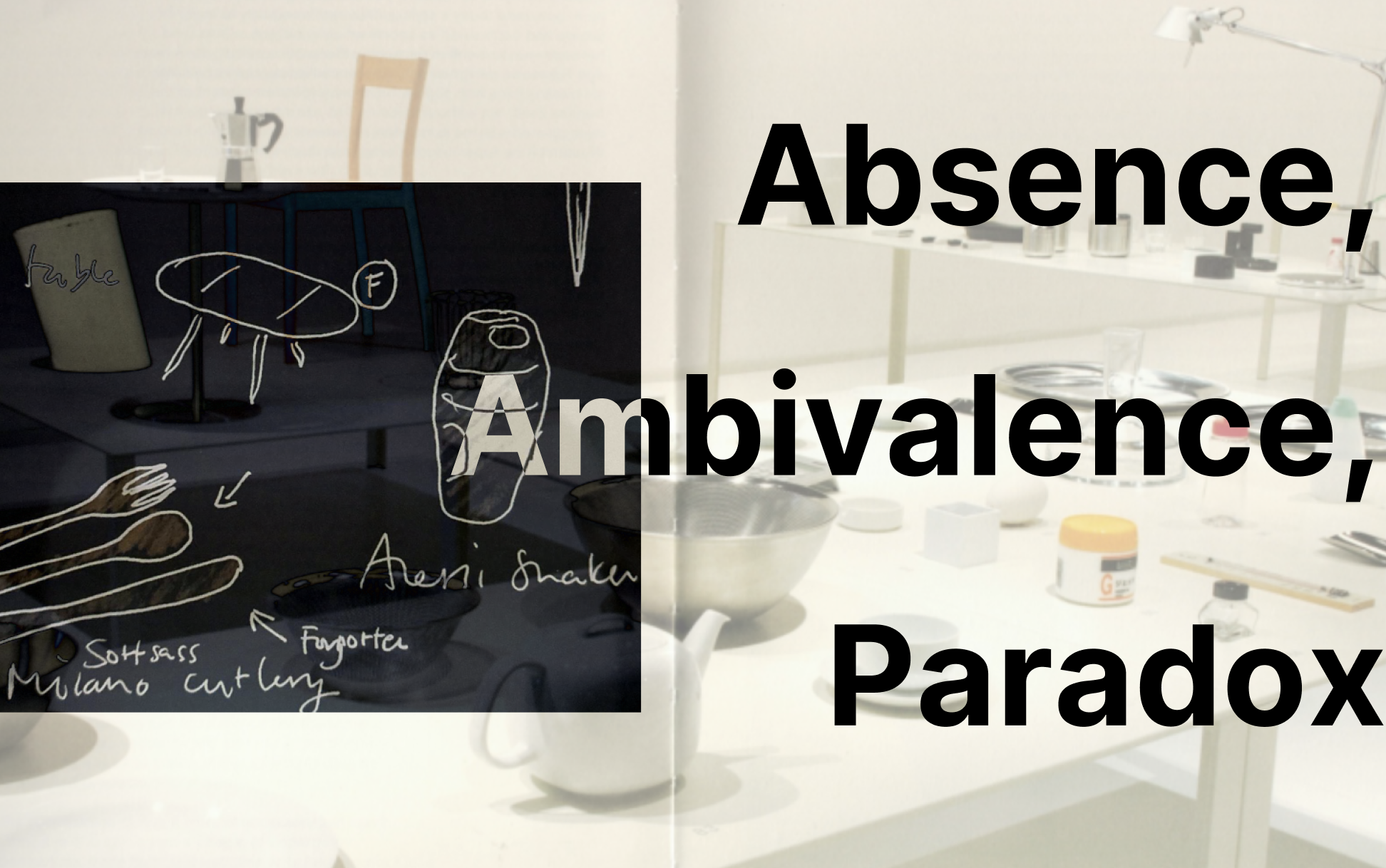
Absence, ambivalence, and paradox
From a conceptual point of view there are two elements that are particularly fascinating in the Super Normal category proposed and explored by Fukasawa and Morrison: the first is that the category is based on an absence; the second is that it rests on an intentional and extraordinary ambivalence.
Absence: The Super Normal object can be defined by something that is not present. Or something it doesn't have. Style, identity, originality, remarkableness. Anything that can be seen as excellence, or as an unmistakably connotative brand, is incompatible with the status of the Super Normal object. Indeed, its pre-eminent quality consists in the capacity to conceal its features until they become virtually invisible. Ambivalence: however much we dwell on the category proposed by Fukasawa and Morrison, it is very hard to understand, fundamentally, whether Super Normal is an oxymoron (super versus normal) or an absolute superlative (the greatest degree of normality possible, "normality" in its ontological form, its quintessential perfection). The objects selected by Fukasawa and Morrison are, indeed, all oxymoronic and superlative: they push the norm to the boundaries of the possible and at the same time introject a sort of paradoxical coincidentia oppositorum. By making them so "normal" they aren't normal any more, they become both "normal" and "exceptional" at the same time. So exceptional they seem normal. In other words, they are not perceived or perceivable as exceptional. At least, that is, until they are noticed and co-opted by the auctoritas of Morrison and Fukasawa. It is only at this point that the Super Normal object reveals the paradox embedded in its genetic code: at the very instant it is perceived, catalogued, and exhibited as such, Super Normal
transcends itself.
Silvana Annicchiarico
Design Curator
La Triennale di Milano
Translation: Lucinda Byatt
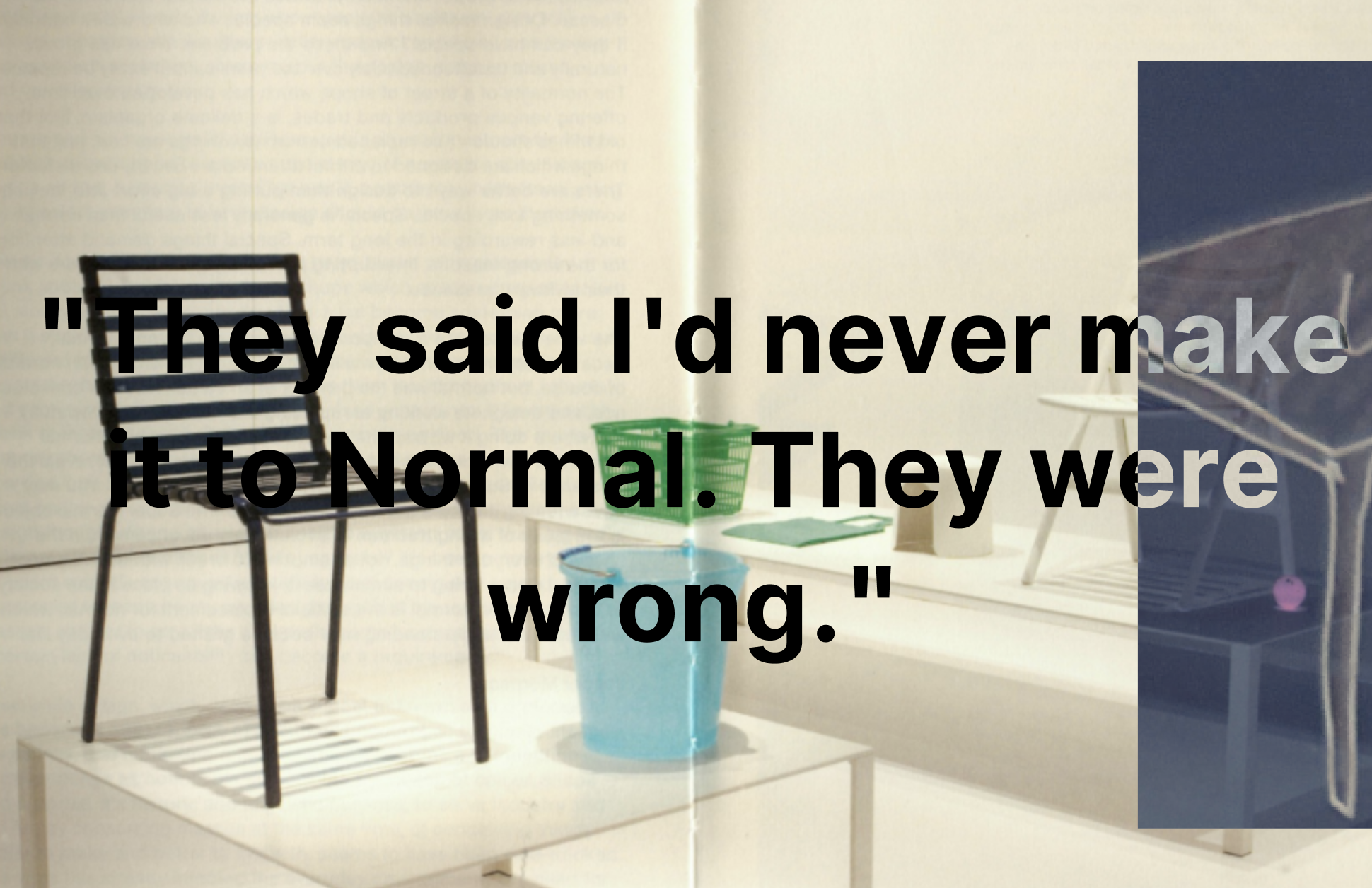
"They said I'd never make it to Normal. They were wrong."
Bob Dylan at a concert in Normal, Illinois, 1999.
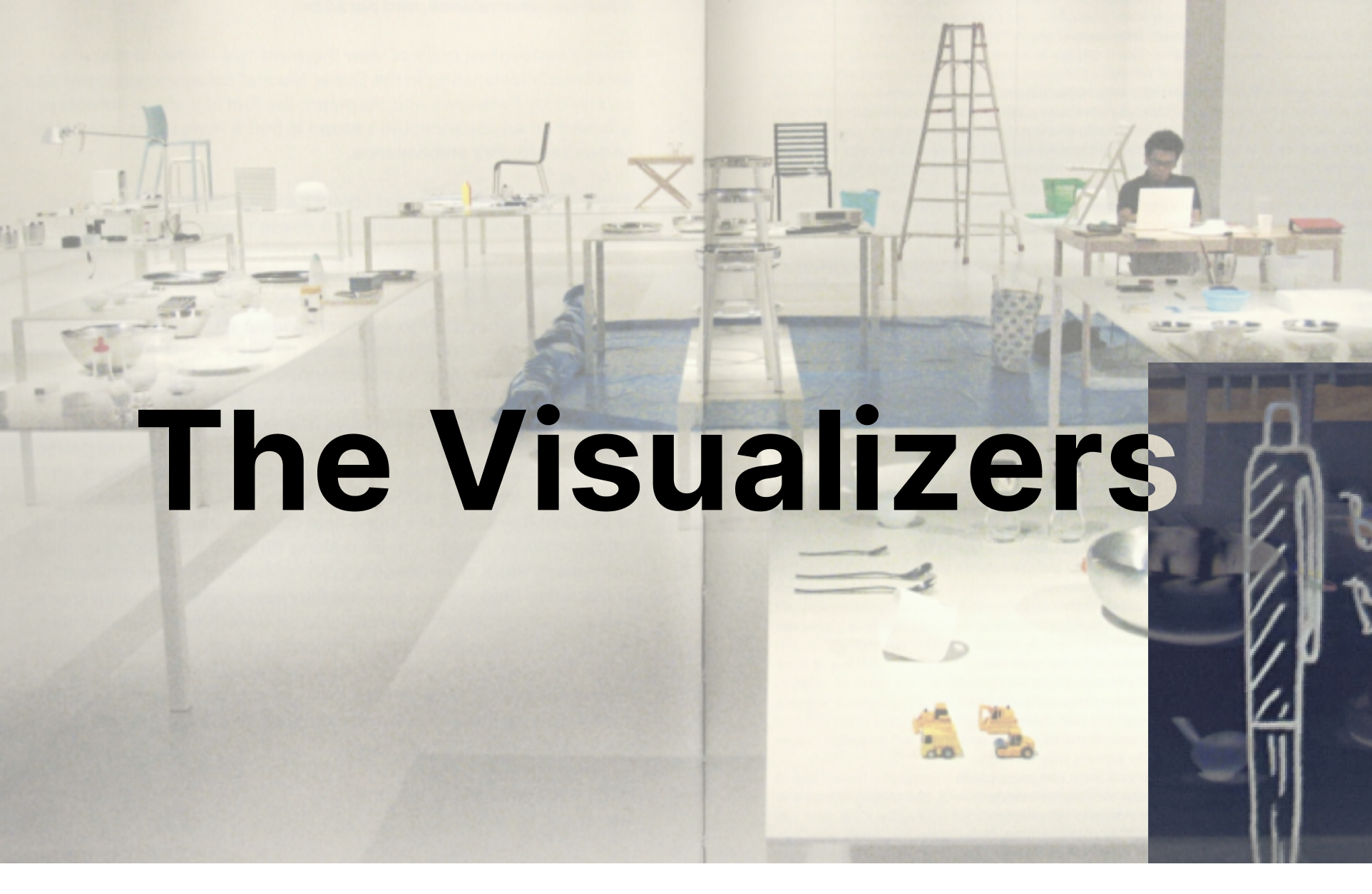
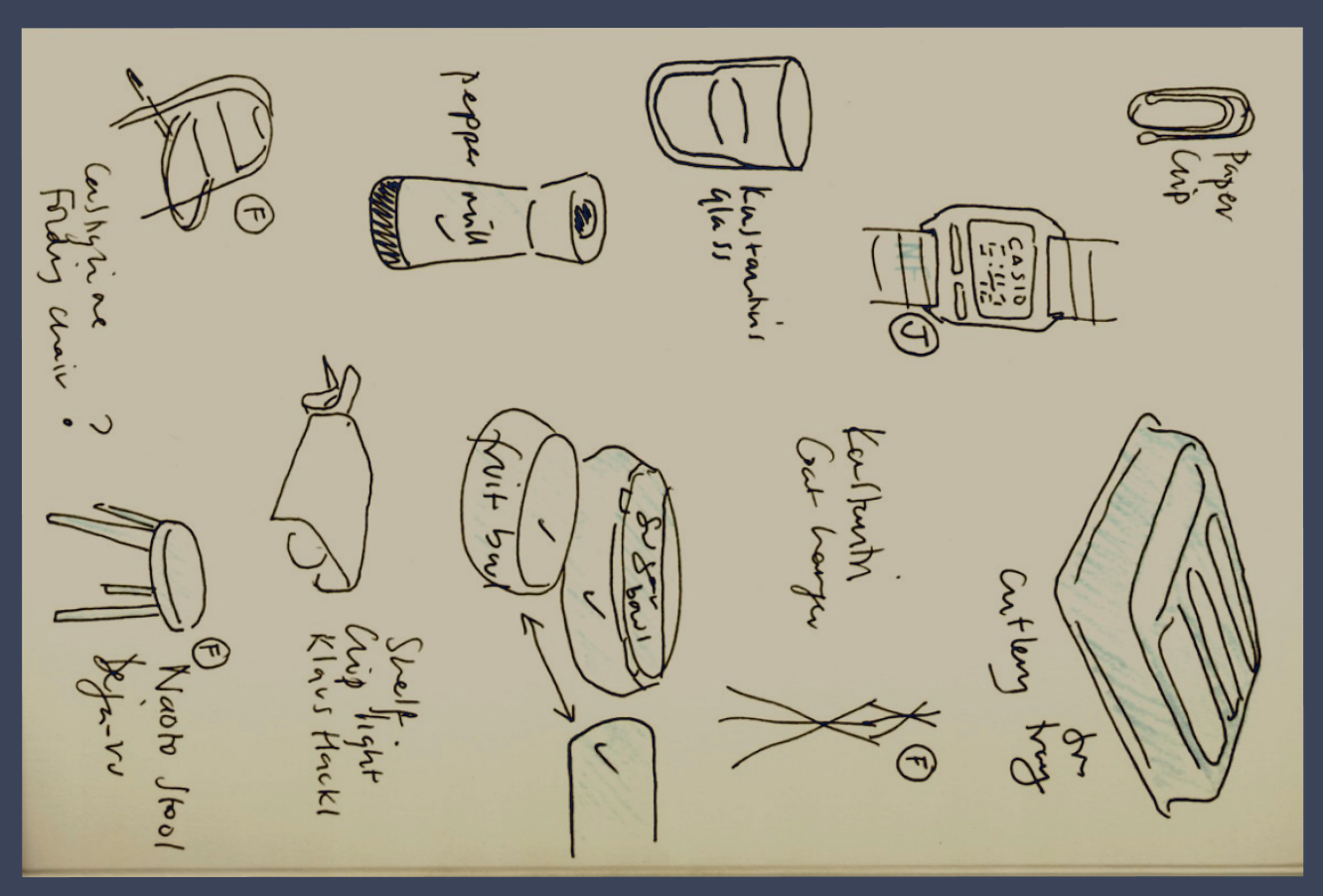
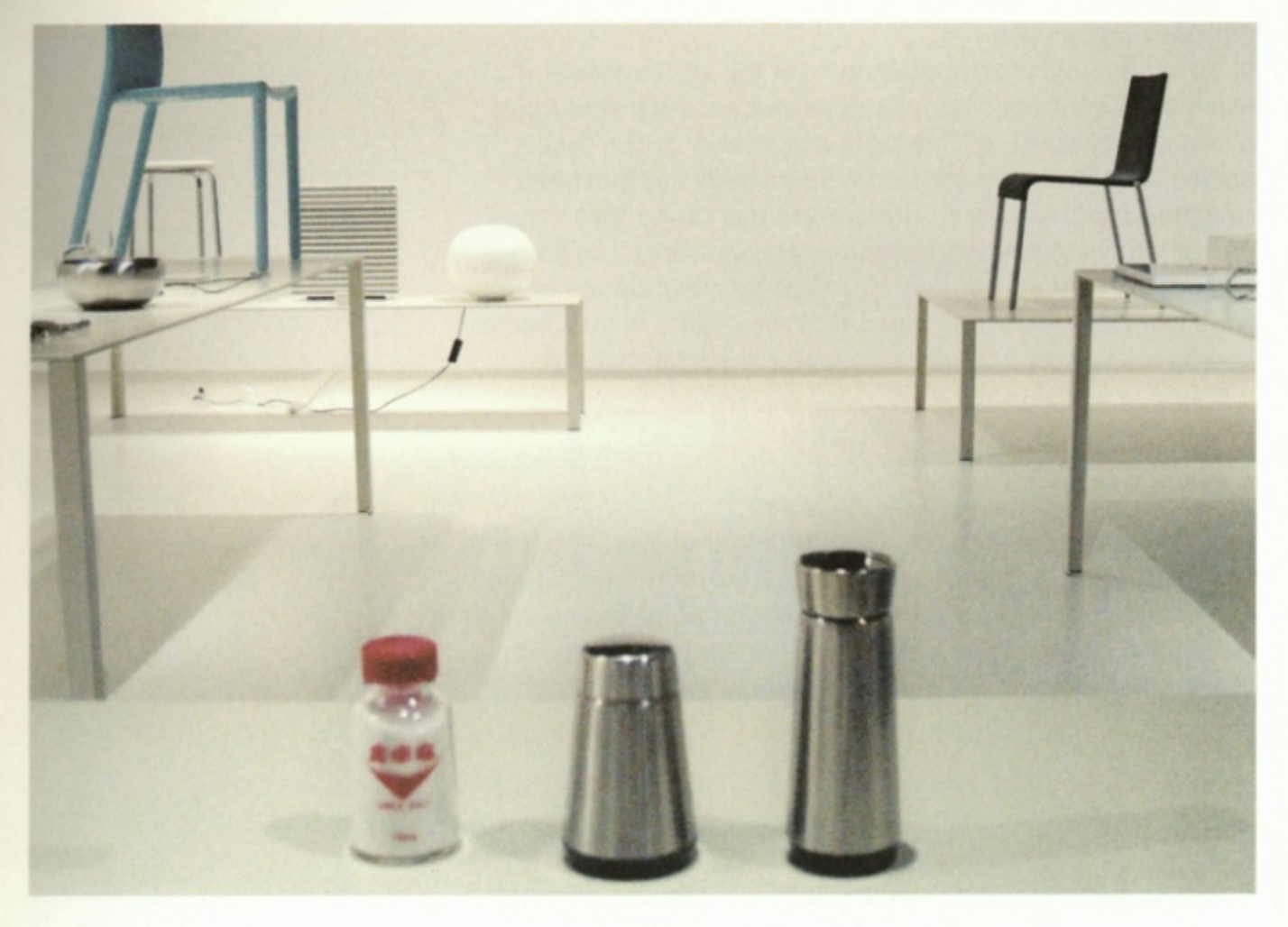
One thing is certain: with their "Super Normal" project Jasper Morrison and Naoto Fukasawa are treading uncertain ground. Neither the normal nor Super Normal can claim to be clearly demarcated concepts in terms of any scientific conventions. Although the etymology of normal relates it to the norm and the normative, our ideas of normality, of normal things and processes, are anything but normalized. Yet precisely the fuzziness of the concept is what Morrison and Fukasawa exploit in their eponymous exhibitions in Tokyo and London, and in this book as well. Here each of the everyday objects they recognize as Super Normal becomes evidence, testifying to thoughtful and deliberate design beyond pathos and the modernistic masquerade: A paper clip. A plastic bucket. A chair. The two designers have rounded up some 200 objects, presenting them on white blocks and steles. As such, each exhibit achieves maximum effect in shape, color and materiality while also entering into a dialogue with al the other things united in the exhibition. Naoto Fukasawa: "Surprisingly there was not a single collision in our opinions. We talked primarily about what to include in the exhibition, or not, in order to make the idea of Super Normal more understandable to general audiences."
In this exhibition an affinity becomes apparent between what is Super Normal and what has become archetypal as the result of a long design process. The history of a product, lasting anywhere from a century to a millennium, ultimately leads to the genesis of an obiect that coniures the picture we all see in our minds when we hear or read the word "chair," for instance. Morrison's Plywood Chair of 1988, produced by Vitra, certainly comes quite close to the archetype of a chair. But a closer look reveals differences: the gentle sway of the backrest; the intentional flaunting of the simple, flattened Phillips head screw; the surprising lightness of the chair; and not least the exceptional simplicity of its construction, which is clearly evident on the underside of the seat. Such properties distinguish this chair from a merely archetypal seating object, a quasi three-dimensional pictogram. The same is true of Naoto Fukasawa's "Déja-vu" stool for Magis, whose form and proportions seem to be of almost rustic plainness. Here, too, it is the selected material, in this case aluminum, and the resulting reflections and lightness, that distinguish the stool. This stool spontaneously reminded me of Jeff Koons' Rabbit, in which the American artist transformed an inflatable toy bunny into a chrome-plated sculpture. Fukasawa, too, converts an existing form, conventionally associated
exclusively with a certain material (wood), into a Super Normal object, through his idiosyncratic choice of a new, unconventional material. And this is where the difference between the normal and Super Normal product becomes apparent: Super Normal refers to the normal- in the sense of adopting a familiar form
and aesthetic-without being "normal" itself and merely availing itself of traditional shapes, materials or production techniques. It is precisely the conscious distance the Super Normal object maintains from its precursors that can become a subtle signal. The shape of Morrison's electric kettle for Rowenta, for instance, resembles an electrified jug-we recognize it instantly from everyday encounters with jugs or from Morandi's still lifes; we can operate it intuitively, and its grace coupled with super normality even manages to compensate for its technical deficiencies. (Rowenta's production was so shoddy that neither the process of turning it on nor the automatic shut off were as efficient as in much uglier specimens of this product type!)
The traditional sign repertoire of both Western and Asian design, we learn from this project, can become the signpost
for contemporary and future generations of designers, but only if they are not under the sway of the superficial adaptation of formalities. All this has nothing to do with retrogressive design. Rather, Jasper Morrison speaks openly of the "loss of innocence" separating today's designers from the craftsmen and artisans of previous centuries. They manufactured objects for everyday use-a ladle, an axe, a saddle-without seeking to express themselves or their age, or even to hold their ground against the products of the competition or forgeries. Yet Morrison and Fukasawa work for many large, international companies, without whose production and distribution facilities no industriesign would be conceivable. There is no question that these two designers are conscious of contemporary market mechanisms, marketing strategies and production conditions. Not even Super Normal design can take place in an ivory tower, or abandon itself to sentimentalities. It has to take the market into account in order to make an impact. But instead of resorting to cheap tricks or exalted gestures, that impact can only be achieved through sophisticated forms and details that clearly reveal the fruitful legacy of traditions and progenitors in design history.
In addition to anonymous design, such as the Swiss Rex peeler or a simple plastic bag, the collection includes design classics like Max Bill's wall clock for Junghans, the 606 shelving system by Dieter Rams, or Colombo's Optic alarm clock of 1970. With
products by Newson, Grcic, Van Severen or the Bouroullec brothers, Morrison and Fukasawa also present the work of their own gen- eration. Thus the selection does not simply celebrate "ordinary design," which engineers are so fond of organizing; it does not romanticize a certain decade of design or an idiom that typifies the products of a given country-and it does not focus on mere topicality, exclusivity, or the costliness of the products. The phe-nomenon of Super Normal is therefore placed outside time and space; both the past and the present of product design point in equal measure to a future that has long since begun. Quite obviously, the two men are not concerned with studies and utopian models: Super Normal is already there, out in the open; it exists in the here and now; it is real and available. We have only to open our eyes: Fukasawa and Morrison visualize it for us.
Almost exactly thirty years before the first Super Normal exhibition in the Axis Gallery in Tokyo, Das gewöhnliche Design (Ordinary Design) exhibition took place at the Mathildenhöhe in Darmstadt, a center of German Jugendstil. At that time Friedrich Friedl and Gerd Ohhauser presented bicycle tires, dowels, pocket tissues, bottle openers, file folders, and clothespins in the rooms of that city's Fachhochschule für Design. West German household wares of the seventies were declared to be objects of study. In his talk at the opening of the exhibition, Bazon Brock, Professor for Aesthetics in Wuppertal, said, "We must analyze and understand our contemporary everyday world as if it were the everyday world of a historical society. For example, the everyday world of Pompeii at the time of 79 B.C., when Vesuvius buried the city once and for al, thus preserving it for us." Explicitly selected to counteract the dominant role and overly solemn approach to Jugendstil in Darmstadt at the time, the 110 objects seem, at first glance, to prefigure the Super Normal project. However, closer observation reveals a different focus, namely, on the banality of the object world. There was hardly a single product in the collection that cost more than three to five Deutschmarks: with considerable wit and finesse, bathtub stoppers, paper plates, pencils, and beer bottles in display cases were set against the florally ornamentalized, precious Jugendstil furniture and lamps with their flowing forms and exalted gestures. Hence, location and date-Darmstadt, 1976-played a decisive role in the exhibition, while the presentation of Super Normal by Fukasawa and Morrison carries the same message and force of expression in any country of the Western
world by highlighting a subject matter that is as long-lasting as many of the selected products.
So why is the visualization of Super Normal necessary just now? To answer this, it is enough to visit a couple of department stores, supermarkets, trade fairs, and websites or to take a quick glance at lifestyle magazines and coffee table books. Everything that is superficially spectacular and pseudo-modern has long since become normality in product design: superfluous features, 10 ellipses, dynamic curvatures, perforations, and pearlescent paint dominate today's styling. This applies equally to most cars (inside and out) as well as sports articles, stereos, clocks, and furniture-not to mention packaging design. In contrast, a few years ago Fukasawa designed a fluorescent yellow, upright container for banana juice with slightly browned edges reminiscent of the banana itself, but without imitating its typical bend. Its spout is even opened with the same hand movement used to peel a banana Wouldn't it be super if such design one day became normal?
Gerrit Terstiege
Gerrit Terstiege is editor-in-chief of the design journal form. He was a lecturer at the academies of design in Karlsruhe, Basel and Zurich, and a visiting professor for design and media history at the Mainz University of Applied Sciences. In addition he is a board member of the Deutsche Gesellschaft für Designtheorie und -forschung. www.form.de, www.dgtf.de
Translation: Susan E. Richter